
Bipolar disorder treatment near Denver, with psychiatry built in
Bipolar disorder treatment near Denver with psychiatry on the team, starting with a free pre-assessment.
Someone from our team will call you at . If you'd rather talk now, call (720) 807-2066.




What bipolar disorder can look like
Mood moves in two directions, in episodes.
- Low mood most of the day
- Energy and interest draining
- Sleep and appetite shifting
- Less sleep, more drive
- Faster thoughts and speech
- Decisions that look different later
- Bipolar I: full mania
- Bipolar II: milder hypomania
- Both: depressive stretches
Bipolar or depression? Why a second look matters
If depression treatment only partly worked, a high may have been missed.
psychiatric evaluationPsychiatric care and medication management
Led by our medical director, Dr. Arshad William.
psychiatric care medication managementTherapy for bipolar disorder
- Skills training for routineSleep and a steady rhythm.
- Cognitive behavioral therapyThoughts that hold a low in place.
- Interpersonal therapyRelationships mood changes strain.
- Group therapyThe same faces each week.Group therapy
- One individual session a weekYour own therapist, one to one.Individual therapy
- Family support and educationFree, for the people at home.
Tracking your bipolar mood changes every week
Track 9 helps catch mood changes early.
What a week of bipolar treatment looks like
Is a bipolar IOP the right level of care?
If one of these applies right now, we'll talk it through with you and help you find the right place.
Client reviews, in their own words
Colorado Mental Health services was a beacon of hope during one of the darkest times in my life.
This program saved my life and every day gives me the tools and resources to make it a life I want to live.
Start mental health care with a conversation
No diagnosis needed, and no obligation to start.
- Admissions calls you back
- We run your benefits check
- You book your free pre-assessment
WE ACCEPT








Find us in Lakewood
Lakewood, CO 80215
Questions about bipolar disorder treatment near Denver
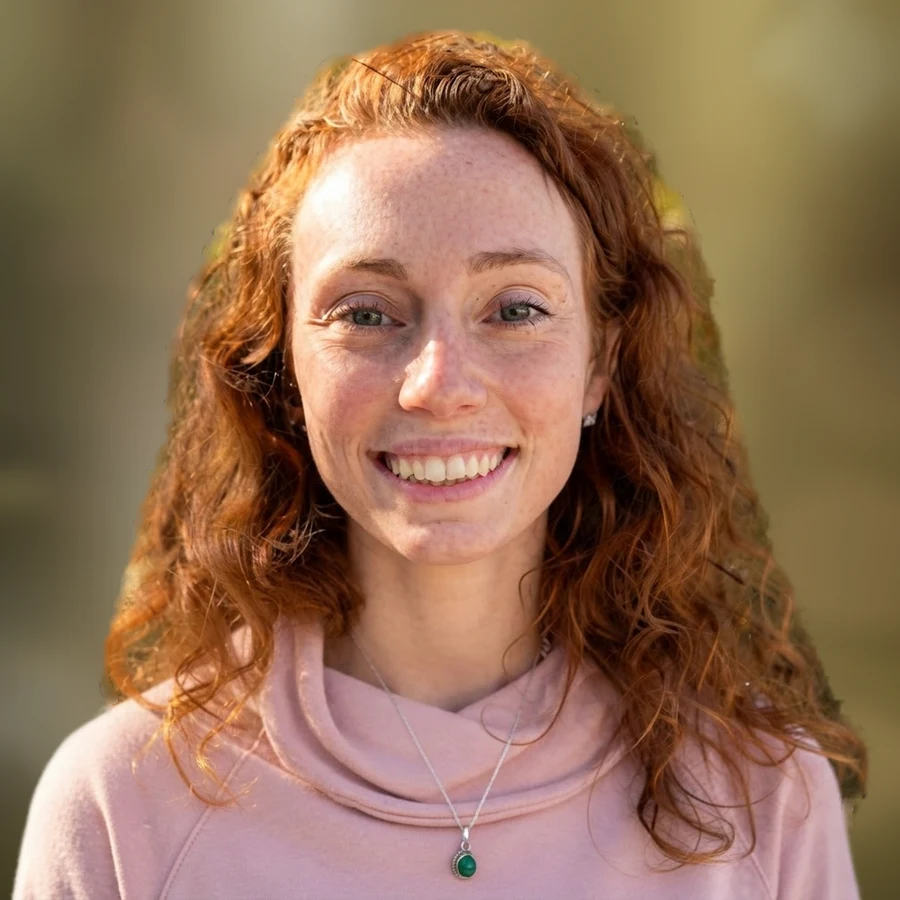

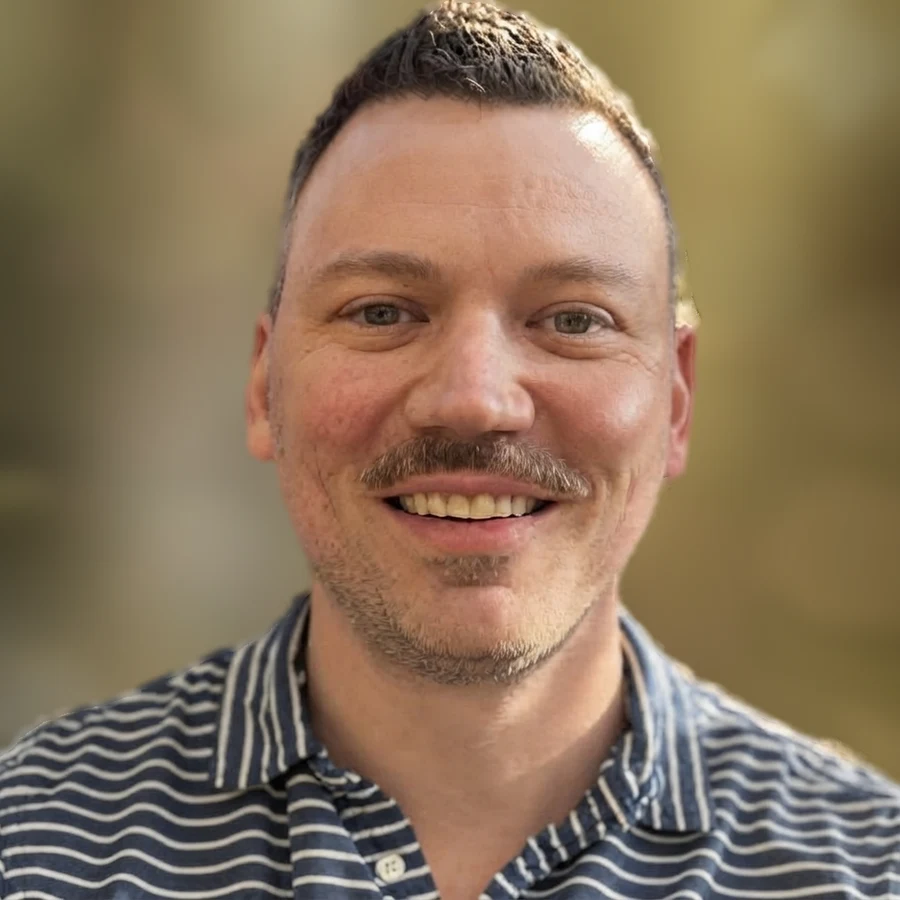
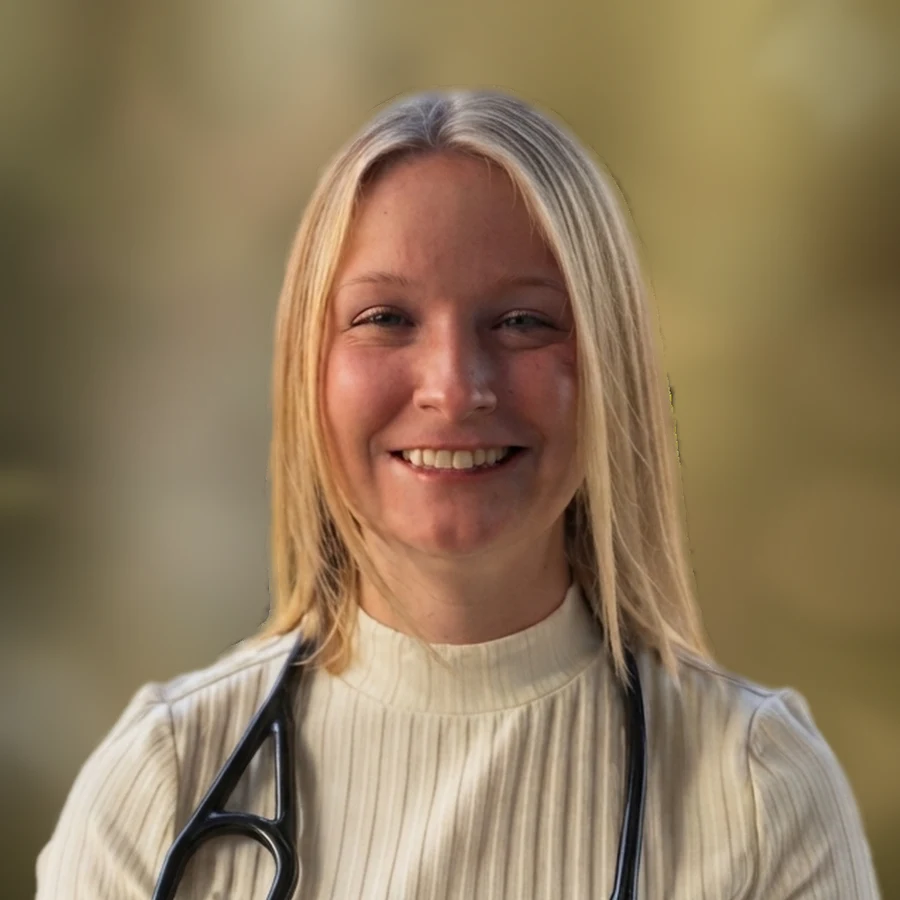 You'll be talking to the people who work hereNot a call center in another state. If your question isn't here, call and ask.Call (720) 807-2066
Can I keep my current psychiatrist and medications?
Yes. You keep your existing prescriptions, and your psychiatrist or GP stays involved. Our prescriber coordinates with them rather than replacing them, so nothing changes without a conversation. If a change does make sense, it is talked through with you first and shared with your outside provider, so everyone works from the same picture.
Read about medication managementI was diagnosed with depression. Could it be bipolar?
It's possible. Bipolar disorder is often first treated as depression, because the low stretches are what people bring in and a high stretch can feel like a good week. Our psychiatric team takes a fresh look at your history, including sleep, energy and past highs, rather than inheriting the label you arrived with.
Read about psychiatric evaluationDo you treat bipolar I and bipolar II?
We welcome people with bipolar I or bipolar II who are stable enough for outpatient care, which means safe at home and able to take part in group. The free pre-assessment is where we decide fit together. If another level of care would serve you better right now, we will say so and help you find it.
Book a free pre-assessmentWhat if I'm in a manic episode right now?
During acute mania or psychosis, the safest first step is a higher level of care, such as a hospital or crisis program. In a crisis, call or text 988, or call 911 if you are in immediate danger. Once things are steadier, contact us and we will look at whether this program is the right next step.
Read about psychosis careHow does IOP help with bipolar disorder?
You get about ten hours of care a week, with psychiatry built into the same program rather than a separate referral. Weekly Track 9 check-ins help catch mood changes early, and three set mornings of group give your week a steady rhythm. It all happens in person at our Lakewood practice, and you go home each afternoon.
See how the program worksCan my family be involved?
Yes. Family support and education are part of the program at no extra cost. The people close to you can learn how bipolar disorder works, what early changes can look like for you, and how to support you without taking over. You decide who is involved and what is shared with them.
See how the program worksCan I keep working during the program?
Many people do, depending on the job. Groups meet Monday, Wednesday and Thursday mornings from 9 am to 12 pm, which suits people with flexible schedules or on leave, plus one individual session a week. Bring your working week to the pre-assessment and we will look honestly at whether it fits.
Book a free pre-assessmentIs bipolar treatment covered by insurance?
We accept Colorado Access, Cigna, Anthem, BCBS PPO, UnitedHealthcare, Optum, Tricare West and Kaiser Medicaid. Medicare isn't one of the plans we can accept; if that's your coverage, admissions can talk through other options with you.
Start your insurance check